

Seasonal Living &
Home Enhancement
Colorado’s seasons are part of the beauty of outdoor life — and Waymark helps clients embrace them through refined seasonal enhancements that keep landscapes feeling alive, welcoming, and elevated year-round.
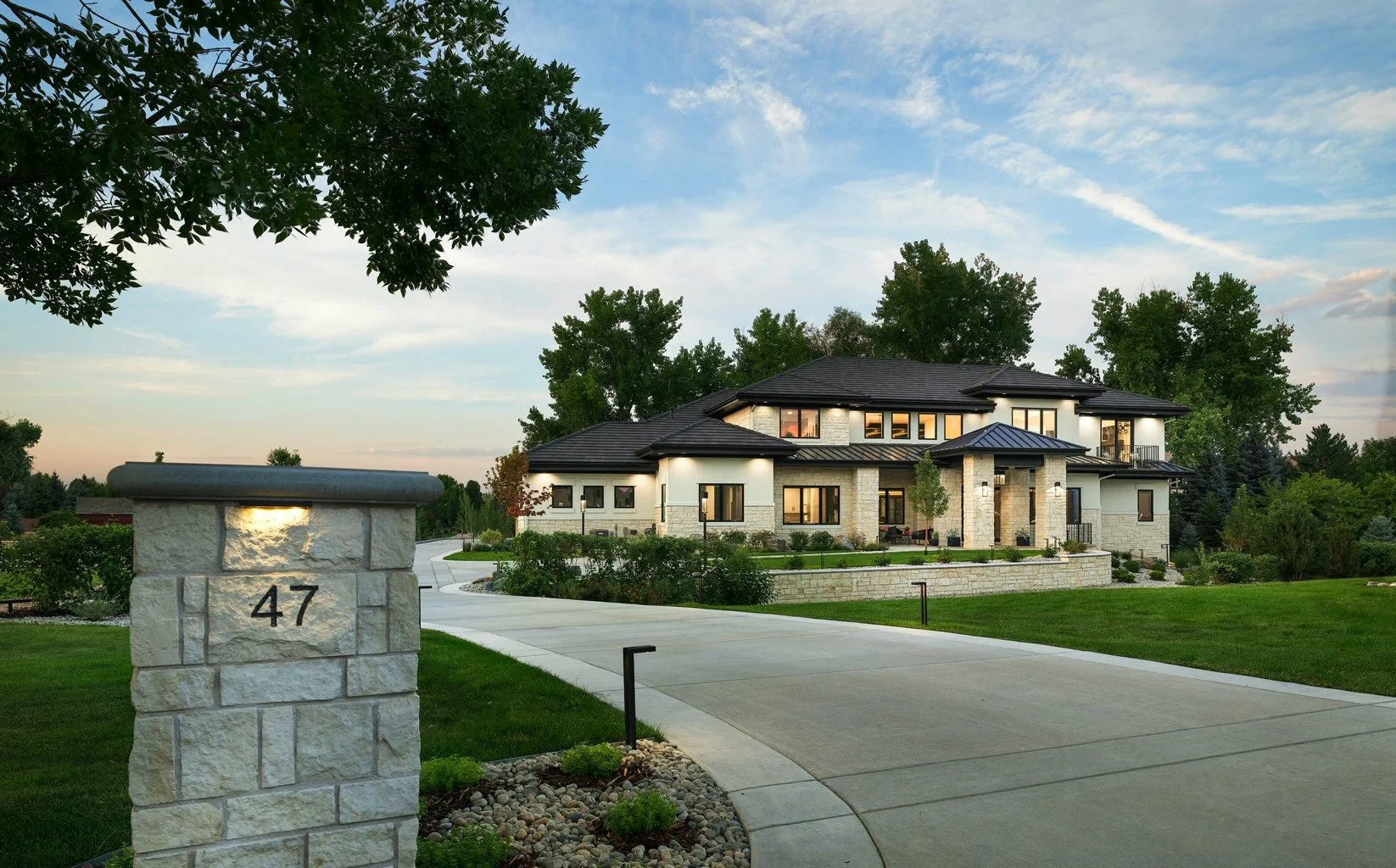

Seasonal Home Enhancement Services
Holiday Decor
Holiday décor should feel elegant, architectural, and aligned with the home — never overwhelming or overly commercial. Waymark provides exterior holiday design and styling that enhances the season with restraint, warmth, and timeless beauty.
Fall Porch Programs
Autumn is one of Colorado’s most beautiful seasons, and the home’s exterior should reflect it with warmth and sophistication. Waymark’s fall porch programs provide seasonal refreshes that elevate curb presence through refined plantings, natural textures, and architectural styling.
Event Styling
Outdoor gatherings deserve an environment that feels intentional. Waymark offers event-focused styling and landscape enhancements that elevate hosting moments — from intimate dinners to larger celebrations at home.
Seasonal Planters
Seasonal planters bring year-round freshness and refinement to outdoor environments. Waymark designs rotating container compositions that reflect each season’s palette while maintaining a timeless, curated aesthetic.

Seasonal Living, Year Round Aesthetics
Seasonal living is not about decoration for decoration’s sake. It is about atmosphere: the warmth of autumn at the entry, the quiet elegance of winter lighting, the freshness of spring planters, the way a home’s exterior presence evolves through key moments in the year.
Waymark’s seasonal services are designed with restraint and architectural sensitivity, ensuring every enhancement feels cohesive with the home, the landscape, and the Waymark aesthetic. These touches extend the experience of outdoor living beyond construction — offering ongoing refinement that keeps the property feeling cared for and current.
The result is a home landscape that feels intentional in every season, not just summer.
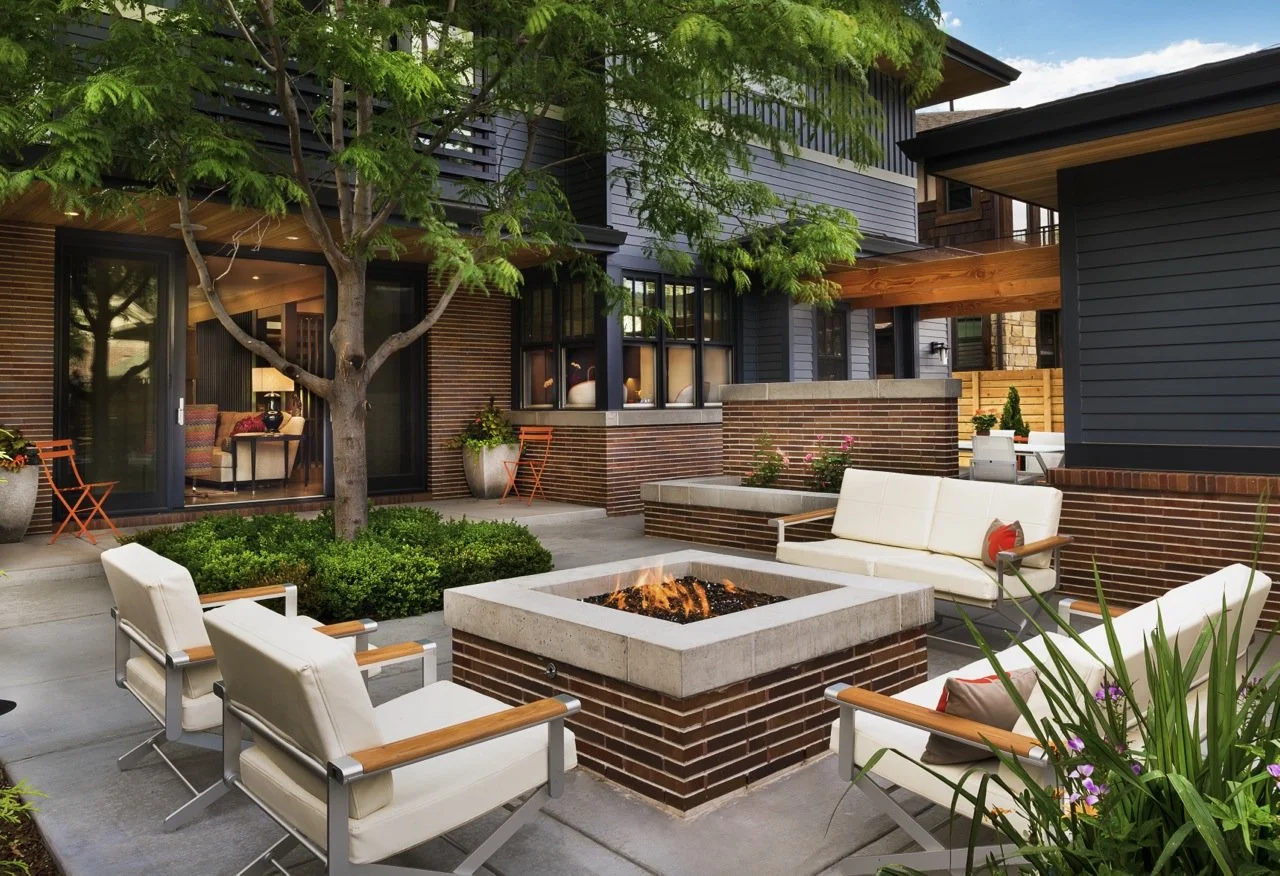
Featured Project
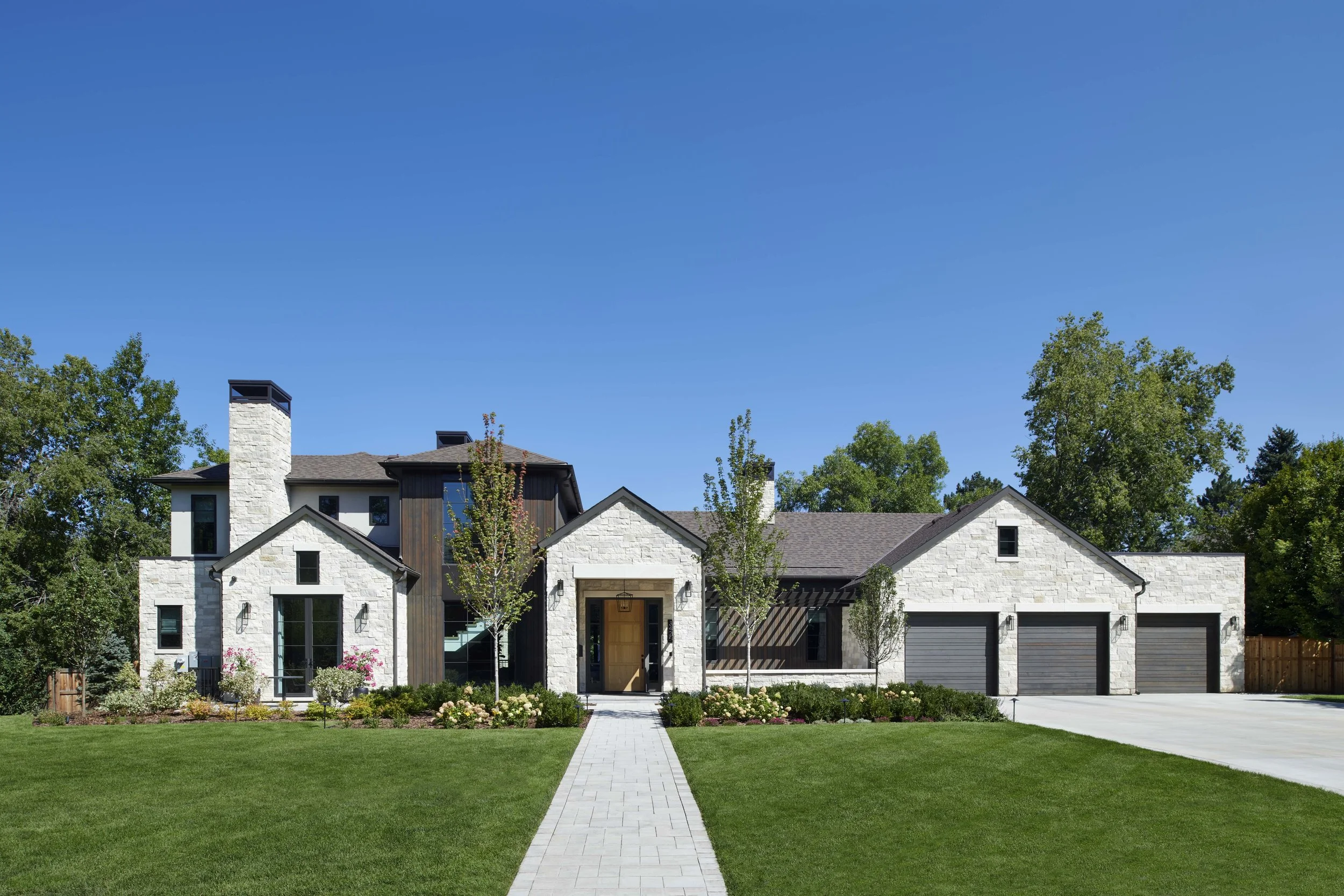
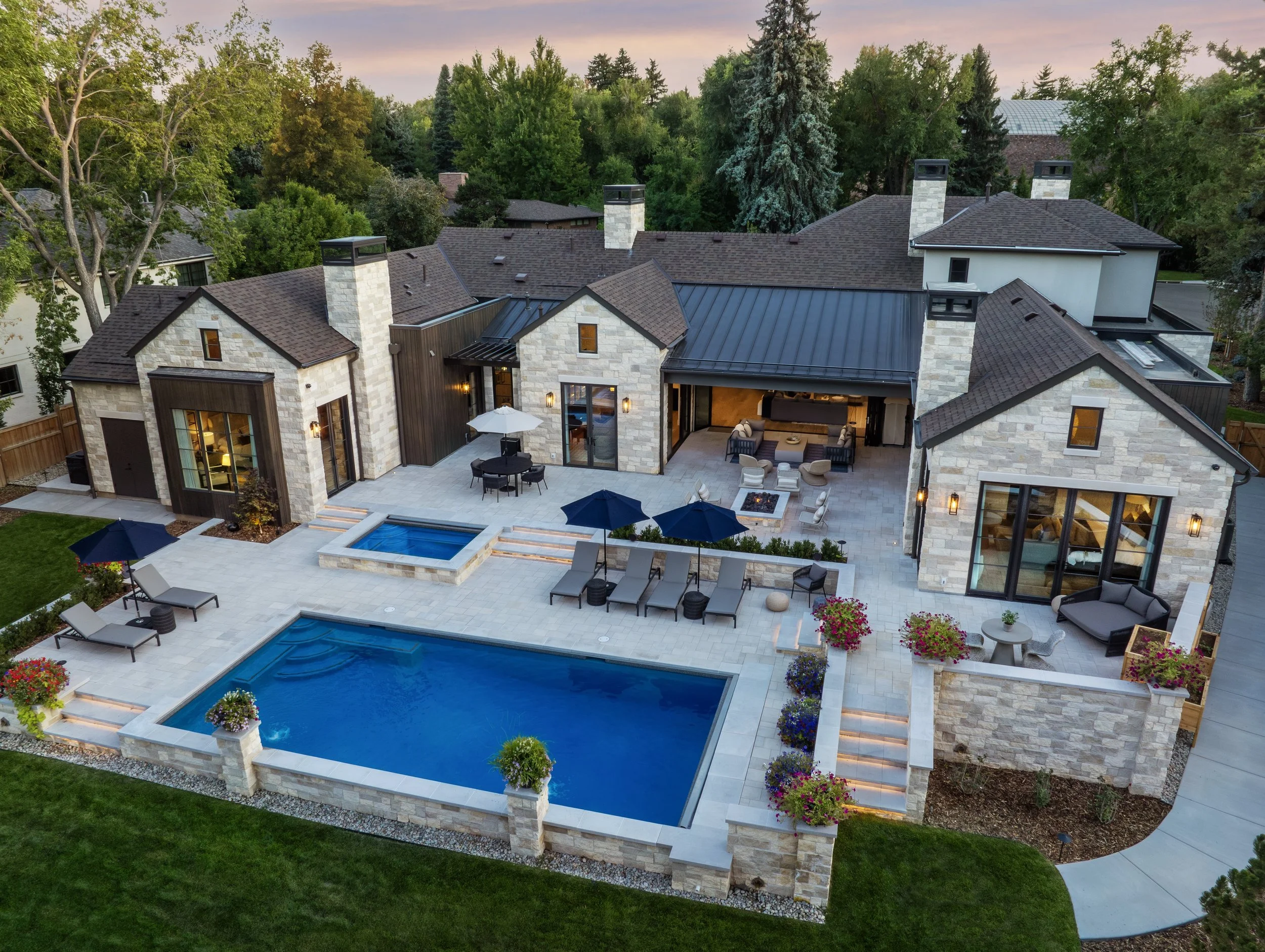
Canopy Pool Living
Framed by a mature canopy and a timeless residential façade, this landscape was conceived as a quiet estate terrace—an outdoor environment defined by proportion, privacy, and effortless seasonal living.
“The team continued to fine-tune details after completion until everything was perfect.”
Bill Clark, Bluffmont (Lone Tree)
Frequently Asked Questions
-
Winter use starts with choosing features that still invite you outside when temperatures drop.
That may include covered lounge areas, heated patios, fire pits, fireplaces, spas, subtle lighting, evergreen structure, and outdoor spaces that still feel beautiful from inside the home. In Colorado, we think winter enjoyment is less about forcing summer habits into January and more about creating moments of warmth, atmosphere, and visual interest that make the landscape feel alive year-round.
A well-designed property should not disappear in winter. -
Winter protection is about preparation, not reaction.
That often includes irrigation winterization, cutting back select plant material, protecting vulnerable pots and features, cleaning up leaves and debris, monitoring drainage, wrapping delicate trees when appropriate, checking lighting, and making sure hardscape and structures are ready for freeze-thaw conditions.
The best winter landscapes are usually the ones that were cared for properly in fall. -
In Denver, timing matters—but there is no single answer for every project.
Spring and early fall are often ideal for many plantings, while summer can work well with proper irrigation and care. Larger construction projects often need to be planned well in advance so design, approvals, procurement, and site readiness all align with the season.
We encourage clients to think ahead. The best time to start is usually earlier than most people expect. -
Yes. Seasonal color can be a beautiful way to keep a property feeling fresh, layered, and intentionally cared for throughout the year.
That may include rotating annual displays, updating containers, refreshing entry moments, and adjusting key focal areas as the seasons change. Done well, seasonal color should feel refined and architectural—not overly busy or temporary. -
We design for all twelve months, not just peak bloom season.
That means relying on strong evergreen structure, ornamental grasses, bark texture, branching form, stone, lighting, architectural elements, and thoughtful composition so the landscape still has presence in winter. A garden does not need flowers to be beautiful. It needs structure, restraint, and something worth seeing in every season. -
It can be incorporated thoughtfully, yes.
In some cases, we can plan power access, connection points, or infrastructure that makes seasonal lighting easier and cleaner to install without compromising the integrity of the permanent system. The key is to make it feel intentional and elegant rather than cluttered or improvised.
The best seasonal lighting should complement the property, not compete with it. -
Yes—we can absolutely manage that transition.
It typically involves irrigation adjustments, seasonal cleanup, selective pruning, cutting back or leaving certain perennials for winter interest, container updates, protecting sensitive plantings, winterizing water and outdoor living elements, and preparing the property to carry itself well through colder months.
A polished landscape should feel attended to as the seasons change—not abruptly abandoned after summer. -
A seasonal cleanup usually includes removing debris, cutting back select plant material, redefining bed edges, refreshing mulch where needed, cleaning hardscape, checking irrigation zones, and preparing the garden for the next season.
It is not just about appearance. It supports plant health, reduces disease pressure, improves airflow, helps prevent weed buildup, and keeps the landscape functioning the way it was intended to.
Healthy gardens are rarely accidental. -
Yes. Features that involve water, plumbing, or exposed equipment should be properly winterized before sustained freezes set in.
That may include draining lines, protecting pumps, shutting down systems, covering appliances appropriately, and preparing outdoor kitchens and water features for dormancy. In Colorado, proper winterization is one of the simplest ways to avoid unnecessary repair costs in spring. -
That depends on the species, age, and exposure of the tree, but it may include structural pruning, staking when appropriate, anti-desiccant strategies in some cases, deep watering before winter, burlap screening, or temporary protection for especially vulnerable specimens.
Not every tree needs intervention. The key is knowing which ones do—and addressing them before severe weather tests them. -
Yes. Many properties benefit from periodic refreshes to keep key areas looking vibrant and current.
That may include new annuals, updated containers, targeted garden edits, entry enhancements, and seasonal focal planting. These smaller interventions can make a significant difference in how a property feels throughout the year. -
Spring cleanups often focus on clearing winter debris, cutting back appropriate plant material, checking irrigation, redefining beds, refreshing mulch, and preparing the property for healthy new growth.
Fall cleanups typically involve leaf and debris removal, selective cutbacks, irrigation winterization, perennial management, and preparing the garden and site for winter conditions.
Both seasons matter. They set the tone for what comes next. -
Preparation is everything.
That may mean smart plant selection from the beginning, thoughtful grading and drainage, irrigation adjustments during heat or drought, winter protection for sensitive material, storm response cleanup, and ongoing monitoring through the season. In Colorado, landscapes need to be designed and maintained with variability in mind.
We believe resilience should be built into the landscape from day one.