

Irrigation & Sustainability
Planning in Denver
True luxury is designed to endure — thriving effortlessly across seasons, climate conditions, and time. At Waymark, sustainability is not a separate category from design. It is embedded into how we build landscapes that remain healthy, resilient, and beautiful in Colorado’s unique environment.
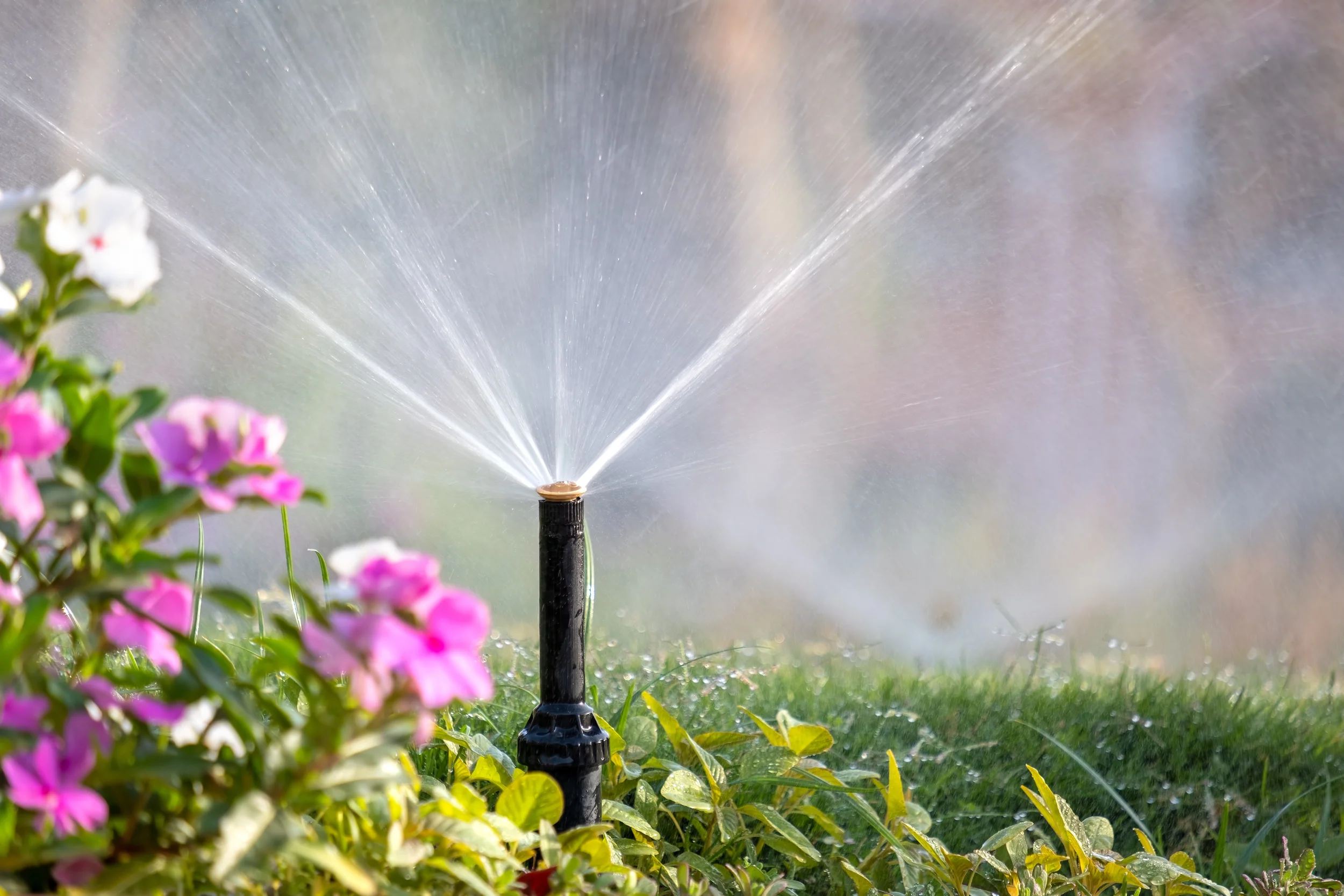

Irrigation & Sustainability Services
System Monitoring
A well-designed landscape depends on systems that perform reliably behind the scenes. Waymark provides seasonal irrigation system inspections to ensure optimal coverage, efficiency, and long-term plant health.
Xeriscaping
Waymark’s approach to xeriscaping is rooted in restraint, elegance, and climate intelligence. Drought-tolerant landscapes do not need to feel sparse or purely utilitarian — they can be lush, layered, and deeply architectural when designed thoughtfully.

Our Approach to Sustainable Irrigation
Water is one of the most important long-term considerations in outdoor living. From intelligent irrigation systems to climate-conscious planting strategies, Waymark integrates solutions that protect the landscape investment while supporting responsible resource use.
Our approach balances refinement with performance: systems that operate quietly, efficiently, and invisibly, allowing the outdoor environment to flourish without unnecessary waste or maintenance burden.
Whether through drought-tolerant design or proactive system evaluations, we create landscapes that feel elevated, sustainable, and built for longevity — where beauty and responsibility coexist naturally.
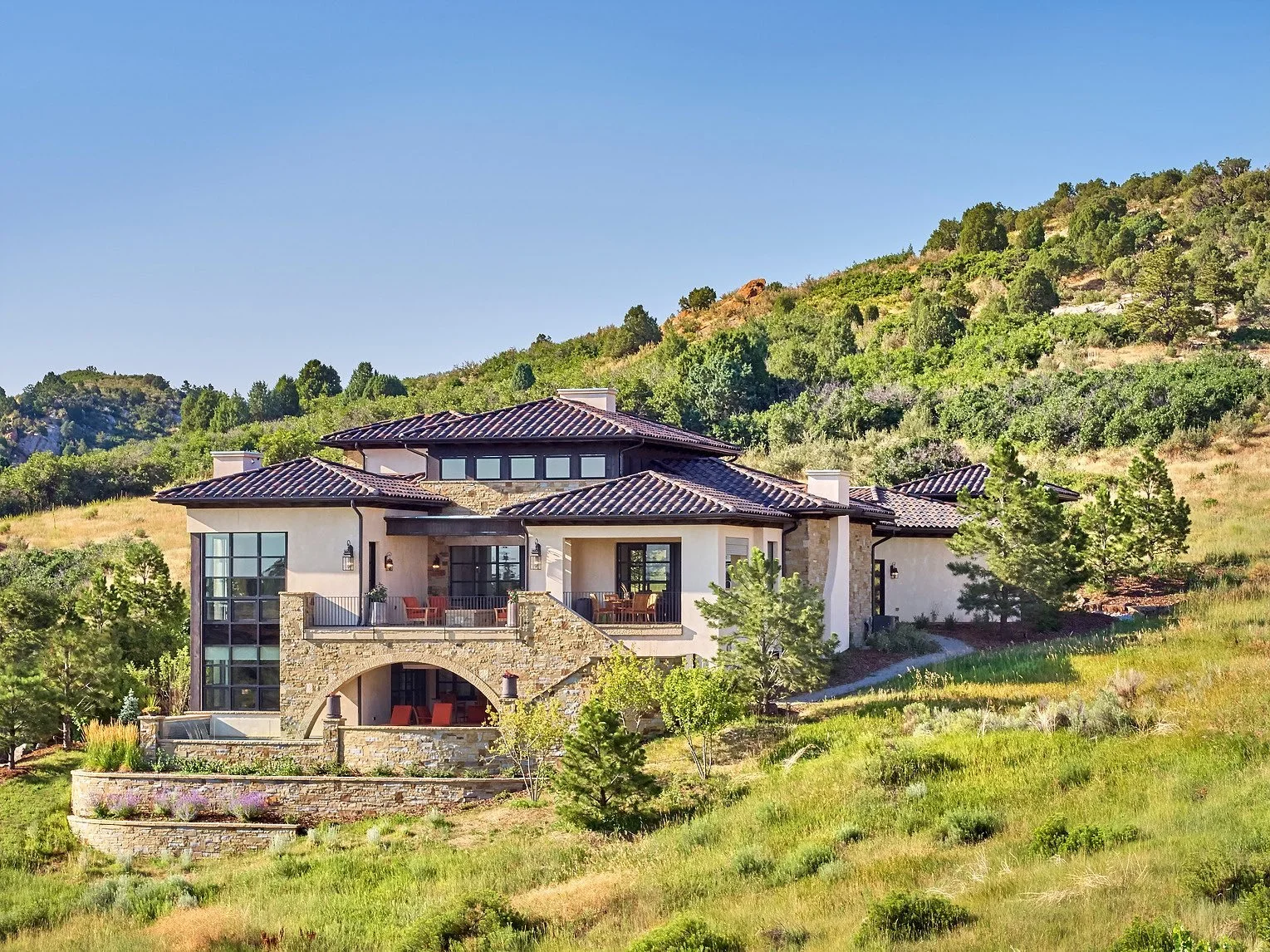
Featured Project
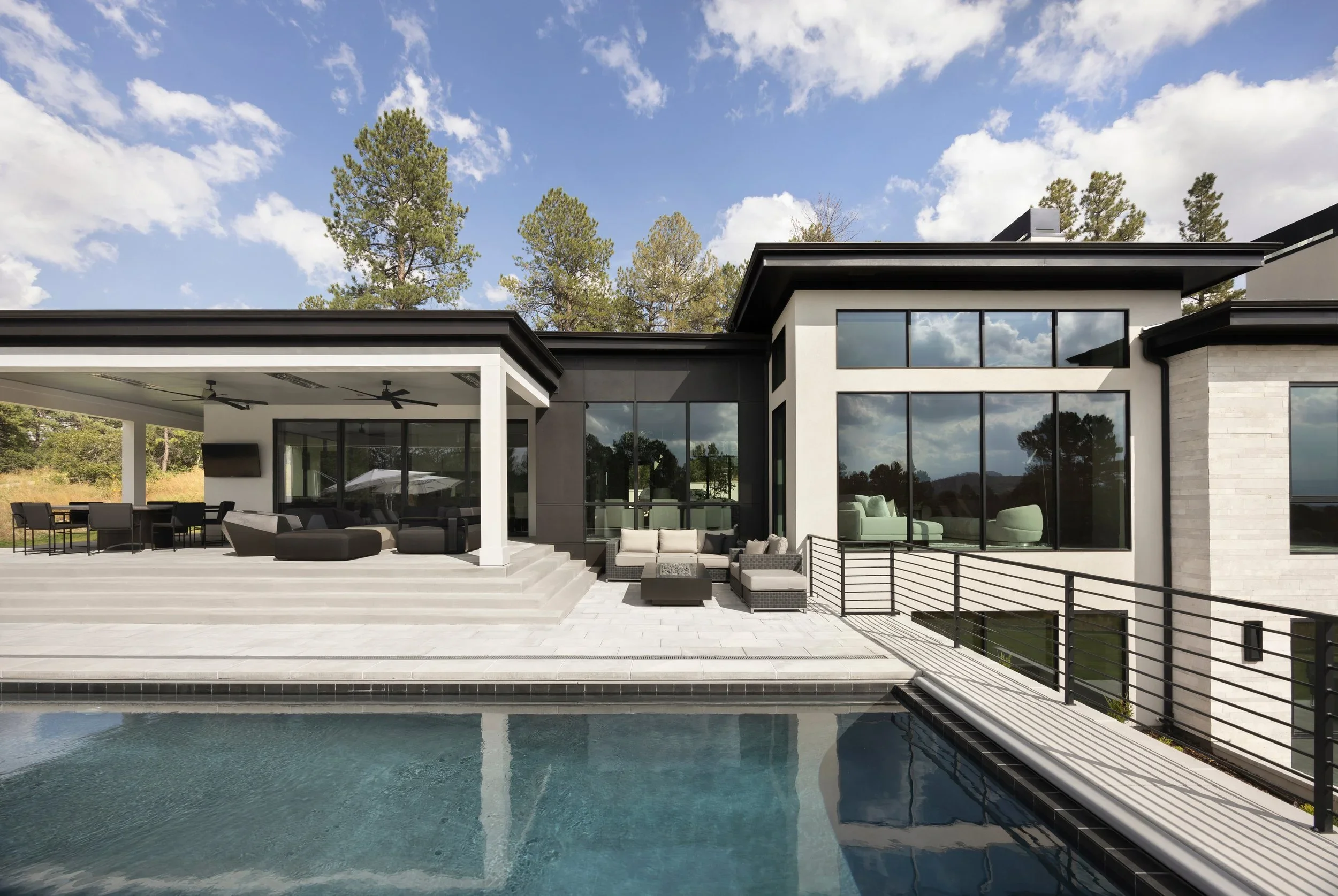
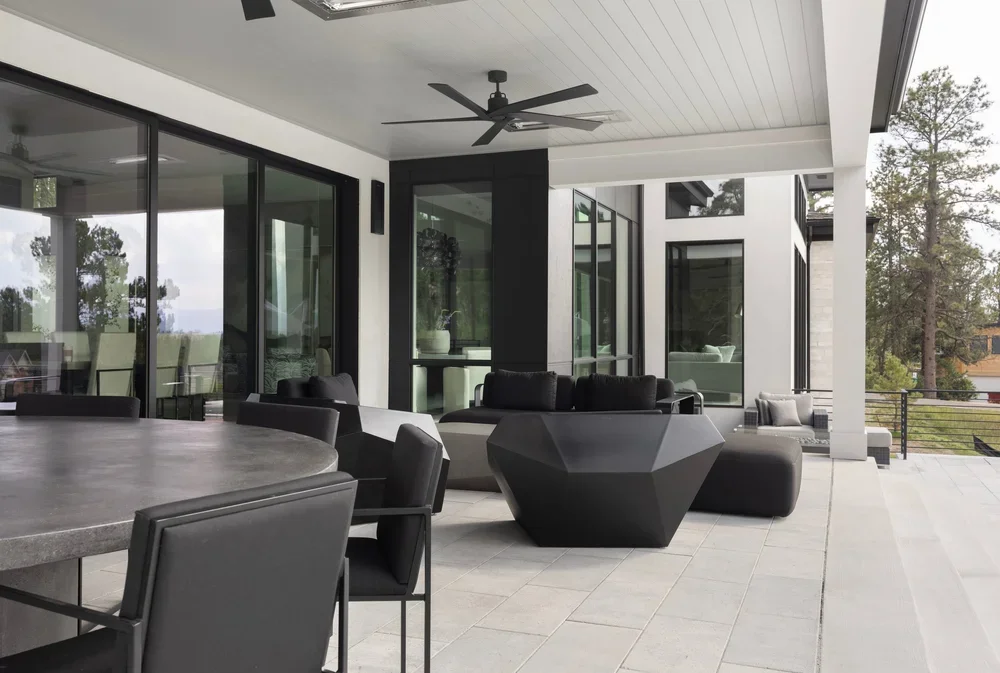
Ridgeview Modern Terrace
Set on a premier hillside lot overlooking the rolling fairways of Castle Pines, this contemporary outdoor environment was designed to match the home’s clean architectural language and expansive connection to the landscape.
“The attention to detail in the grading and drainage really stood out. The final result completely transformed our yard into a space we genuinely enjoy spending time in.”
— Ron B., Washington Park (Denver)
Frequently Asked Questions
-
A smart irrigation system uses weather data, soil conditions, seasonal patterns, and programmable controls to water more intelligently than a basic timer.
In Colorado, where weather can shift quickly and water efficiency matters, smart systems are often well worth it. They help reduce waste, prevent overwatering, and keep landscapes healthier through changing conditions.
We see it as one of the simplest upgrades that improves both stewardship and convenience. -
Yes. Most refined landscapes benefit from a combination of irrigation strategies rather than one blanket approach.
Drip systems are ideal for planting beds, containers, and focused root-zone watering. Zone-based systems allow turf, shrubs, perennials, and specialty areas to be watered according to their specific needs.
The best systems are tailored to the landscape—not copied from the neighbor’s yard. -
Hydrozoning means grouping plants with similar water needs into the same irrigation zones.
It is one of the smartest ways to build an efficient landscape. Turf should not be watered like lavender. Shade gardens should not be treated like sunny perennial borders.
When irrigation matches plant needs, everything performs better and water is used more responsibly. -
Typically before sustained freezing temperatures arrive in fall—often October, depending on weather patterns.
Winterization generally includes shutting off the water supply, draining the system, blowout of lines with compressed air, controller adjustments, and checking vulnerable components. Done properly, it helps prevent cracked pipes, damaged valves, and costly spring repairs.
In Colorado, winterization is essential—not optional. -
Absolutely it can be high-end.
Modern xeriscape is not gravel and cactus unless that is intentionally the style. Done well, it can feel layered, elegant, textural, and deeply connected to Colorado’s natural beauty. Think sculptural planting, beautiful stone, thoughtful grading, ornamental grasses, and restrained palettes.
Water-wise and luxurious are not mutually exclusive. -
Drip irrigation delivers water slowly at the root zone, making it ideal for beds, shrubs, perennials, containers, and many garden spaces.
Traditional sprinklers are often best for lawn areas or broad groundcover zones that require wider coverage.
Most sophisticated landscapes use both—each where it makes sense. -
Yes. Seasonal startup, winterization, adjustments, repairs, and system monitoring are all services that can be incorporated into ongoing property care.
We believe irrigation should be managed proactively, not only when something breaks or a lawn begins to decline.
Reliable systems protect the landscape investment around them. -
Sustainability goes well beyond watering.
Depending on the project, that may include climate-appropriate plant selection, reduced turf areas, healthy soil building, mulch strategies, durable material choices, efficient lighting, pollinator support, stormwater management, phased renovations, and designs built for longevity rather than constant replacement.
True sustainability is thoughtful design that ages well. -
Yes. Rain gardens can be an elegant and functional solution for managing runoff, slowing water movement, improving infiltration, and reducing pooling.
When designed properly, they feel like a beautiful planted feature rather than a drainage device. This is especially valuable on sloped sites or properties with recurring water issues.
Performance should never come at the expense of beauty. -
Yes, depending on the property’s needs and maintenance goals.
Many homeowners prefer lower-toxicity or organic-forward programs, especially where children and pets actively use the landscape. We can help tailor soil and plant health strategies that align with both performance and lifestyle priorities.
Healthy landscapes and peace of mind can coexist. -
We typically position drip lines or emitters below mulch and near root zones so water reaches plants efficiently rather than wetting foliage or evaporating in the sun.
That approach can reduce waste, discourage some fungal issues, and support deeper root development. It is a cleaner, smarter way to irrigate many planting beds. -
Yes. Many modern systems can be controlled remotely through a smartphone or tablet.
That allows homeowners to adjust schedules, pause watering during storms, monitor zones, receive alerts, and manage the system while traveling. For second homes or busy schedules, it can be especially valuable.
Convenience should be built into the landscape where possible. -
The system is shut down, lines are cleared using compressed air, controllers are adjusted, and exposed components are inspected and protected.
The goal is removing trapped water before freeze events cause expansion damage. In Colorado, a proper blowout by a qualified team is one of the most important annual maintenance items for any irrigated property. -
At minimum, seasonally. In practice, most systems benefit from more regular attention during the growing season.
Spring startup, mid-season adjustments, summer monitoring, leak checks, head alignment, controller updates, and fall winterization all help the system perform as intended. Landscapes change through the season—your irrigation should adapt with them.