

Hardscaping Services
in Denver
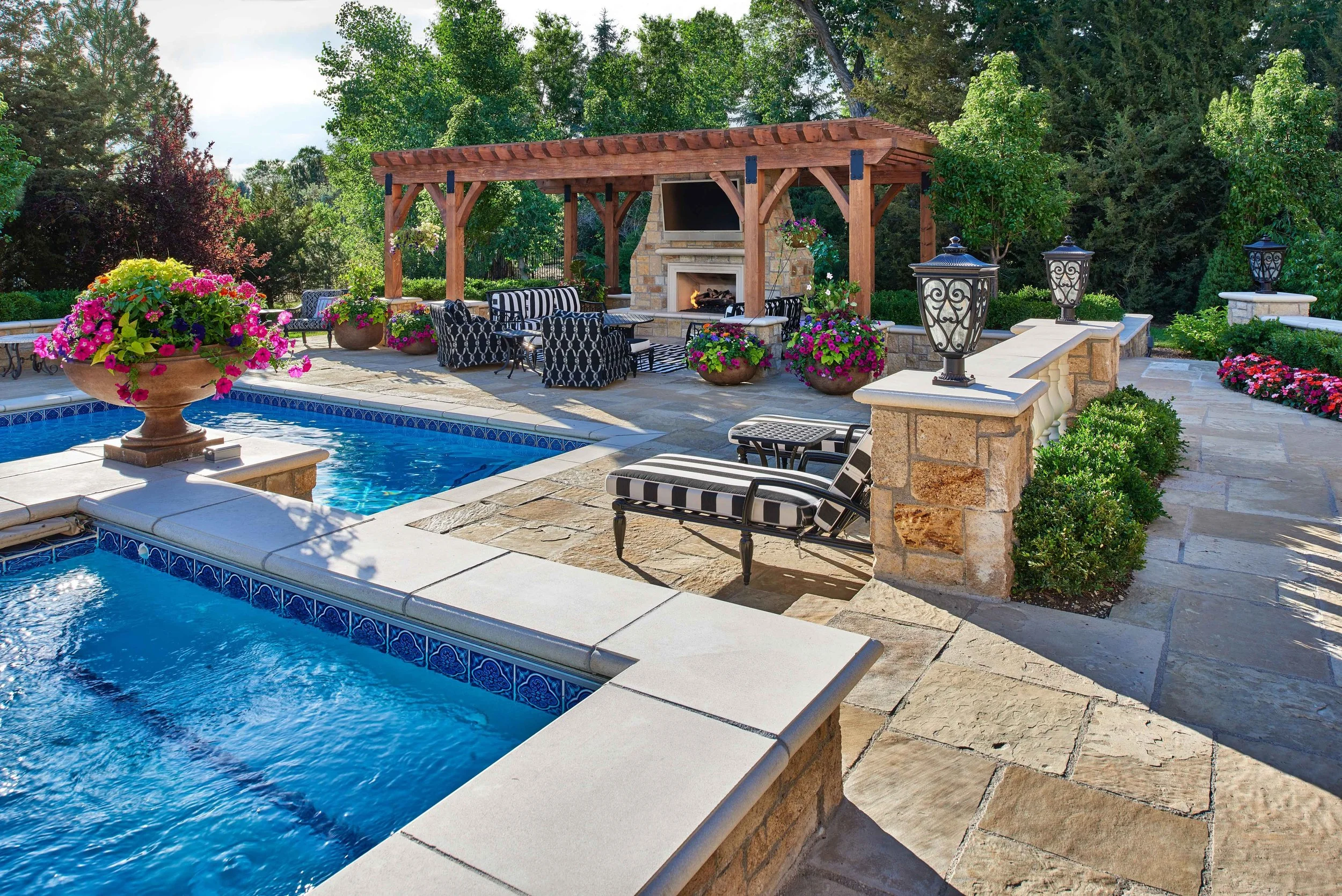
Hardscape is the architectural foundation of the outdoor environment — the stonework, structure, and craftsmanship that gives a landscape permanence. At Waymark, hardscaping is not simply construction. It is outdoor architecture: the shaping of space through proportion, material integrity, and timeless form.

Hardscaping Services
Retaining Walls
Retaining walls shape both terrain and experience. At Waymark, these walls are designed not only for structural necessity, but as sculptural elements that define outdoor space with strength and elegance.
Patios
A patio is the heart of outdoor living — the surface where gathering, dining, and everyday life unfold. Waymark designs and builds custom patios that feel architectural, timeless, and deeply connected to the home.
Driveways
The arrival experience matters. A driveway is often the first architectural gesture of the outdoor environment — shaping curb presence, movement, and the sense of entry.
Pergolas
Pergolas define outdoor rooms through shade, structure, and form. Waymark designs pergolas that extend the home’s architecture into the landscape — creating spaces that feel intimate, livable, and timeless.
Privacy Structures
Privacy should feel elegant, not enclosed. Waymark creates layered privacy solutions that provide intimacy while preserving openness, horizon, and architectural clarity.

Grounded Design, Intentional Living
From patios and retaining walls to pergolas, driveways, and privacy structures, each element is designed to feel grounded, intentional, and inseparable from the home itself. Hardscape defines how outdoor living functions — where people gather, how movement flows, how elevation is shaped, and how the landscape holds its structure through every season.
Waymark hardscaping is executed with a studio-level approach: refined material selection, precise detailing, and craftsmanship that prioritizes longevity as much as beauty. These are environments built to endure — not for a season, but for decades.
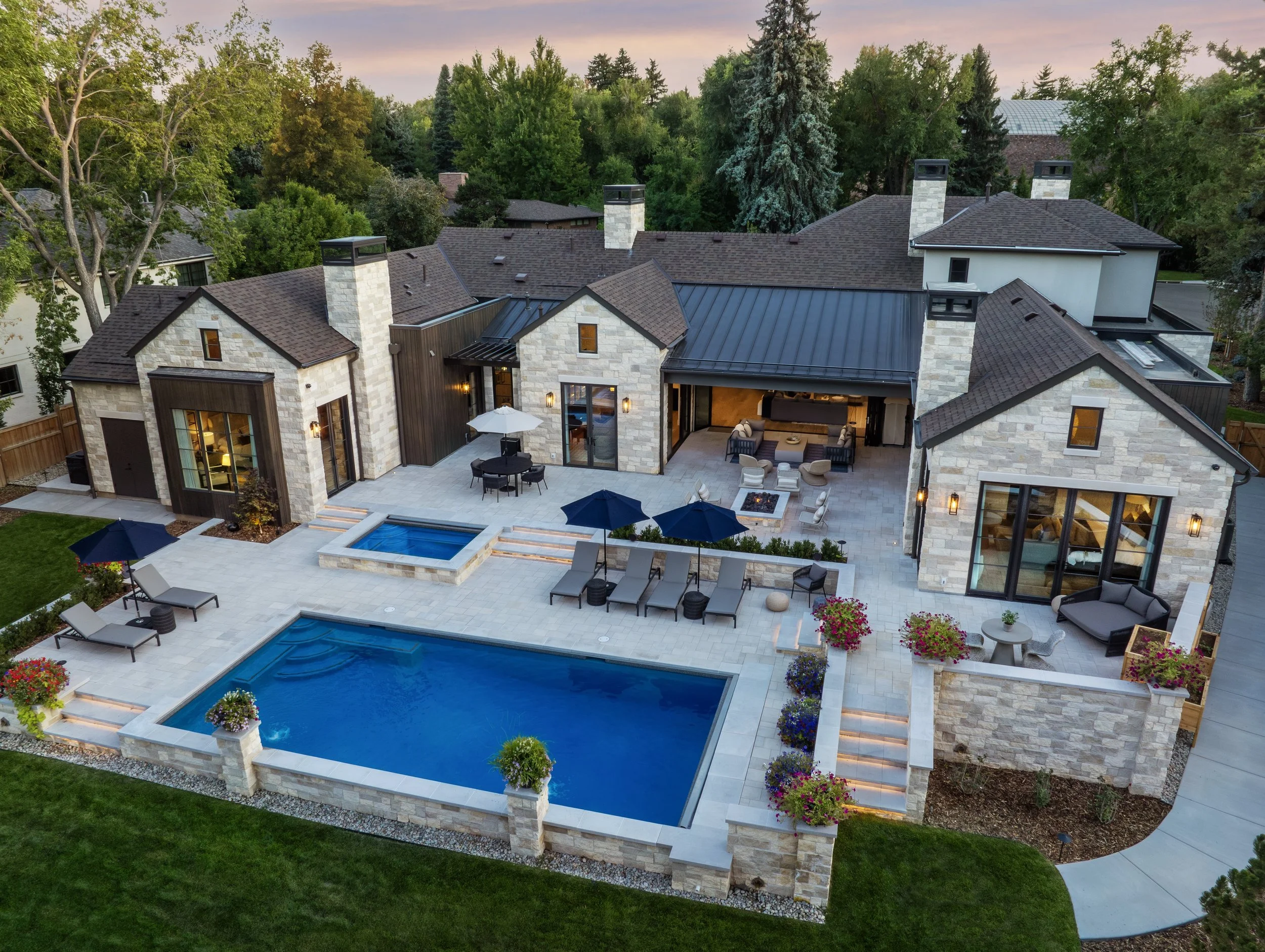
Featured Project
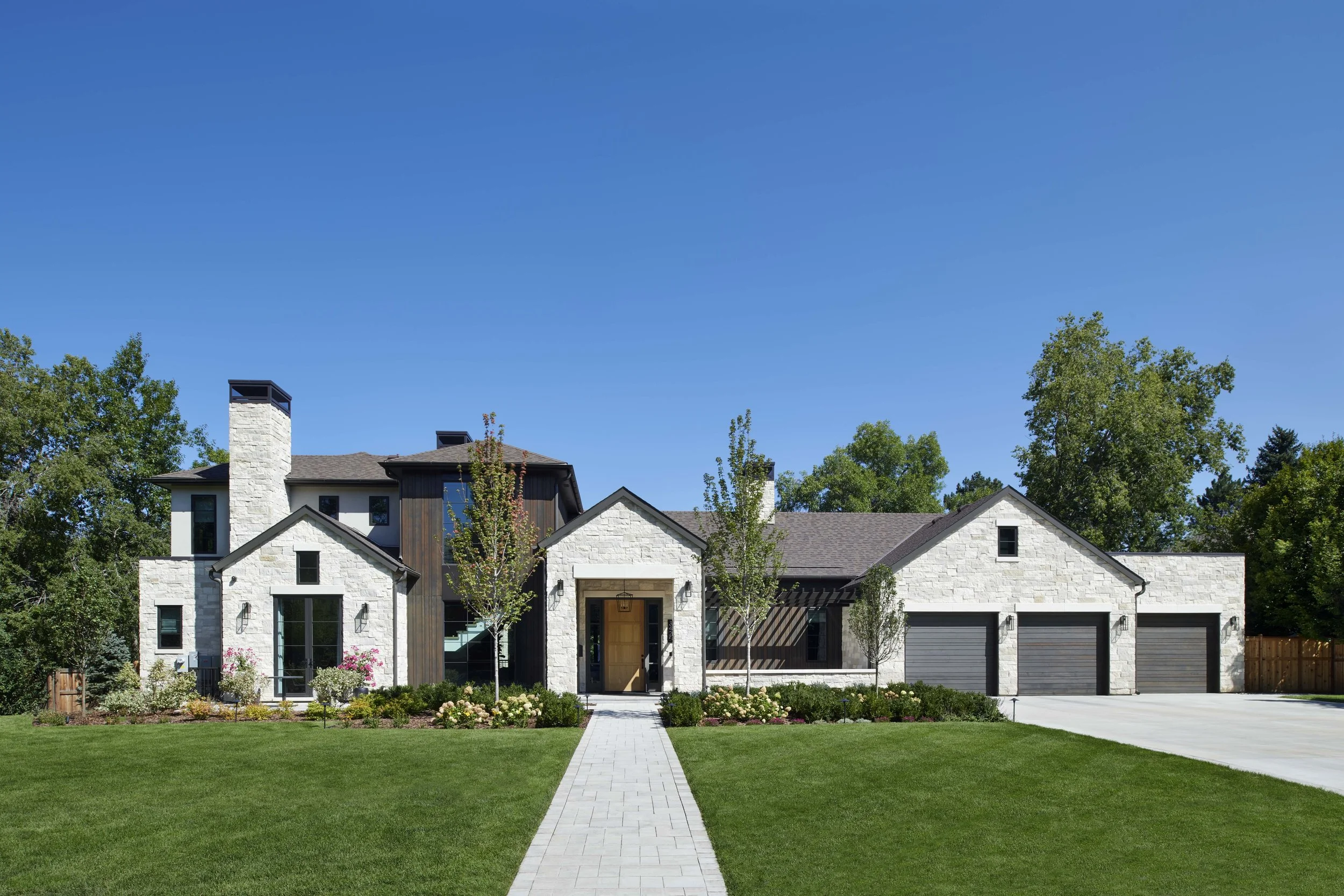
Red Rock Water Garden
Set against the dramatic backdrop of Colorado’s red rock terrain, this residence called for an outdoor environment that felt timeless, grounded, and deeply connected to its surroundings.
“The patio, seating wall, and fire pit are beautiful, and the project finished on time and on budget despite some rainy weather. The follow-through and management were impeccable.”
— Bobbi Weber, The Pinery (Parker)
Frequently Asked Questions
-
Colorado rewards materials that are both durable and installed correctly. Freeze-thaw movement, sun exposure, snow, de-icing products, and drainage all play a role.
For many projects, high-quality natural stone, premium paver systems, architectural concrete, and properly detailed masonry can perform beautifully for years. The material itself matters—but base preparation, drainage, expansion planning, and craftsmanship matter just as much.
A beautiful patio that fails structurally was never the right material choice. -
They should be—and we treat that seriously.
Colorado structures need to account for wind exposure, snow load, anchoring, span distances, and long-term movement. Whether wood, steel, aluminum, or a hybrid system, outdoor structures should be engineered and detailed for our climate rather than copied from milder regions.
The goal is elegance with integrity. -
Often, yes. Height, location, surcharge loads, drainage conditions, and municipality-specific rules can all trigger permitting or engineering requirements.
We help determine what is required early, coordinate with engineers when needed, and manage the process so clients are not left sorting through technical issues alone.
Retaining walls are structural elements, not decorative afterthoughts. -
Pavers offer consistency, flexibility, repairability, and a broad range of styles. Natural stone offers character, variation, timelessness, and a more bespoke architectural feel.
Neither is universally “better.” It depends on the home, budget, desired aesthetic, and how the space will be used. Some properties call for crisp modular precision. Others deserve the richness of real stone.
Our role is helping you choose what belongs on your property. -
Drainage is designed before finishes are selected.
We evaluate grades, runoff paths, downspouts, slope transitions, surface pitch, slot drains, catch basins, subsurface systems, and how water moves across the property as a whole. Hardscape should direct water intelligently, not trap it.
The most expensive drainage problem is the one hidden beneath a beautiful patio. -
Absolutely. Many thoughtful projects are executed in phases.
That may mean starting with core grading and infrastructure, then completing a patio first, followed by outdoor kitchen, fire features, planting, or additional entertaining zones later. The key is having an overall master plan so each phase builds toward a complete vision.
Phasing works best when it is strategic—not reactive. -
Sometimes an overlay is possible, but it depends entirely on what is beneath it.
If the existing patio has movement, cracking, poor drainage, or inadequate base preparation, covering it can simply hide future problems. If the substrate is stable and conditions are right, selective overlays may make sense.
We prefer honest evaluation over convenient shortcuts. -
Yes, when the project calls for it.
Walls that retain meaningful loads, support grade changes, protect structures, or exceed certain heights should be engineered appropriately. We coordinate with structural professionals and construct to plan so the finished wall is both beautiful and reliable.
Anything holding back earth deserves respect. -
This is one of the most important conversations in any rear-yard project.
We study how water currently behaves, where it should move, how patio elevations relate to the home, and whether drains, grading corrections, waterproofing interfaces, or subsurface systems are needed. The patio should help protect the home—not send water toward it.
We always think beyond the surface. -
The best patio material is the one that suits the architecture, intended use, and long-term expectations of the property.
Natural stone offers timeless sophistication. Pavers offer versatility and serviceability. Architectural concrete can be elegant when detailed well. Each has a place.
We focus less on trends and more on what will still feel right ten years from now. -
Well-installed pavers are often more forgiving over time because individual units can move slightly, be reset, or be repaired selectively. Poured concrete can be durable as well, but cracking is common and repairs are usually more visible.
Durability depends less on marketing claims and more on preparation, drainage, climate exposure, and installation quality.
The system matters as much as the surface. -
They often do—especially when they expand how the property lives.
A well-designed patio, arrival sequence, retaining strategy, fire feature, outdoor kitchen, or elegant circulation path can materially improve curb appeal, functionality, and buyer perception. Hardscape often creates the framework that makes the rest of the landscape feel elevated.
When done well, it adds both utility and presence.